
Things to Do in Bratislava in January
January weather, activities, events & insider tips
Low Season · Budget Friendly
January Weather in Bratislava
Temperature, rainfall and humidity at a glance
37°F (3°C)
High Temp
26°F (-2°C)
Low Temp
1.5 inches (38 mm)
Rainfall
70%
Humidity
⚠ Near-freezing temperatures, pack warm layers
Is January Right for You?
Weigh the advantages and considerations before booking
Advantages
- + January is low season in earnest, and the difference from summer is not subtle. The medieval core, Michalská Street, Ventúrska, the lanes fanning out from Hlavné námestie, belongs to the Bratislavans who live here. No stag-do groups, no walking-tour bottlenecks at Michael's Gate, no queueing to photograph the Čumil manhole-cover statue. You have the city in its daily, unhurried self.
- + Winter transforms Bratislava Castle into something striking. At 85 m (279 ft) above the Danube, the white fortress against a pewter January sky is a legitimately dramatic sight, and on the occasional clear day, you can see into Austria and Hungary from the castle ramparts. When fog rolls in off the river in the mornings, the whole Old Town takes on a peculiar, almost melancholic mood that summer photographs simply don't capture.
- + Slovak winter cuisine is at its seasonal peak. Kapustnica, the sauerkraut and smoked-meat soup that every Slovak grandmother makes differently, always insisting her version is the definitive one, appears on menus from October through March and then vanishes. Bryndzové halušky, the potato-dumpling dish with sharp fresh sheep cheese (bryndza) and crispy bacon, is comfort food calibrated precisely for 26°F (-3°C) evenings. The roast duck and goose dishes, served with red cabbage and bread dumplings, round out a winter menu that has been feeding this region for centuries.
- + Day trips to Vienna become considerably easier in January. The 60 km (37 mile) journey by bus or train takes roughly an hour, and the Kunsthistorisches Museum, the Belvedere Palace's Klimt rooms, and the Albertina run at a fraction of their summer capacity. You can stand in front of the Kiss for as long as you like without being nudged forward by the group behind you, a minor but real pleasure.
Considerations
- − Daylight is short: around 8 to 9 hours in early January, improving only slightly to about 10 hours by month's end. Devin Castle closes at 4 PM in winter. The castle district path from Bratislava's Old Town can ice over and becomes poorly lit after dark. Structure outdoor sightseeing between 10 AM and 3:30 PM or accept that you'll be navigating cobblestones in full darkness.
- − The cold here has a dampness to it that flat temperature readings don't convey. At 26°F (-3°C) overnight and 37°F (3°C) midday, the Danube river valley adds a persistent chill that cuts through coats rated for drier climates. Visitors who pack for the thermometer reading rather than the felt experience tend to spend more time than they'd like retreating into cafés to warm up.
- − Some attractions run reduced January hours or close entirely for renovation, Slovak institutions have a habit of scheduling major restoration work during the low season. The Slovak National Gallery has periodically been in various stages of renovation. Check specific opening hours before building an itinerary around any particular museum or gallery.
Best Activities in January
Top things to do during your visit
Old Town Walking and Architecture Routes
Without the crowds that arrive from April onward, the medieval core is navigable as architecture rather than tourist attraction. You can pause at the Plague Column on Hlavné námestie and read the inscriptions without being jostled, stand at Michael's Gate, the last surviving of the original city gates, built in the 14th century, and notice the detail on the baroque tower without a queue behind you. The walk from the Old Town up through the ramparts to Bratislava Castle covers roughly 1.5 km (0.9 miles) and gains about 70 m (230 ft) in elevation on streets that can ice over in January. Boots with a proper rubber sole are not optional. Snow, when it falls, and it typically falls several times during January, turns the baroque and medieval streetscape into something worth photographing. January tends to be the most atmospheric month for this kind of slow, observational urban walk. Licensed guides running small-group Old Town tours in January keep groups small by necessity, which means better access and more time at each stop. See current tour options in the booking section below.
Booking Tip: Walking tours in January tend to run at reduced frequency compared to summer, check availability and book a few days ahead rather than assuming same-day spots. Look for operators offering groups of 8 or fewer for January conditions. Dress for standing still in 37°F (3°C) cold, which is considerably colder than walking.
Bratislava Castle and History Museum Visits
The castle sits 85 m (279 ft) above the Danube and on clear January days offers views across three countries, Slovakia, Austria, and Hungary, from its ramparts. With bare winter trees, those sight lines open further than summer foliage allows. The History Museum housed inside runs from Celtic settlements through the Roman Carnuntum garrison, the Hungarian kingdom period when Bratislava (then called Pozsony or Pressburg) served as the coronation city for Hungarian kings, and through the Habsburg era. In January, you're likely to have entire rooms to yourself, which changes the experience considerably, reading exhibition text without crowds, moving at your own pace through the medieval hall. The castle courtyard in light snow is one of the better photographs you'll take in the city. Tours covering both the exterior and museum collections are available. See current options in the booking section below.
Booking Tip: The castle closes earlier in January than summer, typically by 4 PM. Plan to arrive no later than noon to allow adequate time for both the exterior ramparts and the interior museum. The path from the Old Town to the castle entrance involves about 70 m (230 ft) of elevation gain on potentially icy stone steps. Tour operators account for this. But independent walkers should wear boots with real grip.
Day Trips to Vienna
The 60 km (37 mile) connection between Bratislava and Vienna is one of the shortest capital-to-capital distances in Europe, and January is legitimately the best month to make this trip. The Kunsthistorisches Museum, one of the great art history collections on the continent, housed in a building that is itself worth an hour, runs at perhaps 20% of its July capacity. The Belvedere Palace's upper floor, which holds Klimt's The Kiss and several other major Symbolist works, allows the kind of unhurried engagement that summer crowds make impossible. The Albertina's print and drawing collection, similarly, opens up in January. Plan a minimum of 6 hours in Vienna to avoid the rushed feeling. The journey each way takes roughly an hour by fast bus or train, and the city rewards a slower pace. Day trip tours from Bratislava are well-established. See current options in the booking section below.
Booking Tip: Transport connections between Bratislava and Vienna run frequently throughout the day. But the most useful morning departures can fill on weekends even in January. Book transport at least 2 to 3 days ahead. Vienna's major museums are closed on Mondays, plan accordingly.
Devin Castle Ruins Excursion
About 9 km (5.6 miles) west of the Old Town, where the Morava River meets the Danube at the Austrian border, Devin Castle sits on a dolomite cliff 212 m (696 ft) above the confluence. The ruins, the castle was destroyed by Napoleon's forces in 1809 and deliberately left as a ruin, read dramatically against a January sky with the winter light low and the vegetation stripped back. The site carries significant weight in Slovak national identity: 19th-century Slovak intellectuals turned it into a pilgrimage of sorts, a symbol of continuity with the Great Moravia empire. The on-site exhibitions explain this history clearly. The hike from the Devin village bus stop up to the castle entrance covers roughly 500 m (1,640 ft) on a moderately steep path that can ice over in January, trekking poles are useful, not just precautionary. January visitor numbers are very low, which means the views across into Austria are yours without competition. Note the 4 PM winter closing time, which makes a morning departure from Bratislava essential.
Booking Tip: Devin is accessible by public bus from Bratislava's Most SNP bridge (Bus 29), or by organized tours from the Old Town that include transport and a guide. Given the winter path conditions, guided excursions with a local who knows the icy sections are worth considering over solo navigation. See current options in the booking section below.
Small Carpathian Wine Cellar Tastings
The Small Carpathian Wine Route begins effectively in Bratislava's northern neighborhoods, Rača, a district that still has working vineyards within city limits, produces Welschriesling, Müller-Thurgau, and the local Frankovka Modrá (Blaufränkisch) that you won't find exported in any meaningful quantity. In January, the wine regions are quiet. Cellars in Račan and the nearby town of Modra typically open for small-group tastings that pair Slovak whites and reds with local cheeses and charcuterie, bryndza, parenica, and smoked sausages that the region has been producing for centuries. The cellars themselves, carved into hillside rock, maintain a year-round temperature around 10-12°C (50-54°F), meaning you're warmer inside than outdoors. It's a slightly counterintuitive thing to discover about January in Bratislava: the wine cellars are among the more comfortable places in the city at this time of year. Tours to the wine region typically depart from the Old Town. See current options in the booking section below.
Booking Tip: Cellar tastings in January often require advance booking since staff levels run lower in the off-season. Book at least a week ahead. Some smaller cellars in Račan operate on a private-booking model rather than drop-in, and January is the season when this is most strictly observed.
Slovak Cuisine Cooking Classes and Traditional Food Walks
January is the traditional season for the slow-cooked, preserved-meat dishes that have sustained Slovak winters for centuries. A cooking class focused on winter Slovak cuisine covers kapustnica, the sauerkraut soup that varies by region, with each cook insisting their version is correct, alongside bryndzové halušky made with actual ovčí bryndza (fresh sheep cheese with PDO designation, not a substitute), lokše potato flatbreads with goose fat and poppy seeds, and perhaps a roast duck dish. The bryndza is worth understanding: it's a lightly fermented fresh cheese with a sharp, almost funky edge that's different from Greek feta or any other cheese you might compare it to. Walking food tours of the Old Town and nearby Trnavské Mýto market in January involve fewer stops than summer, some vendors close in the off-season, but the remaining producers tend to be the year-round ones with actual depth. See current options in the booking section below.
Booking Tip: Cooking class sizes in January run small, typically 4 to 8 people, which means a more hands-on experience than summer group classes. Most operators require 24 to 48 hours advance notice for class preparation. Look for classes that source bryndza from Small Carpathian producers rather than commercial substitutes, this detail, usually mentioned in the course description, indicates quality.
Where to Stay in Bratislava in January
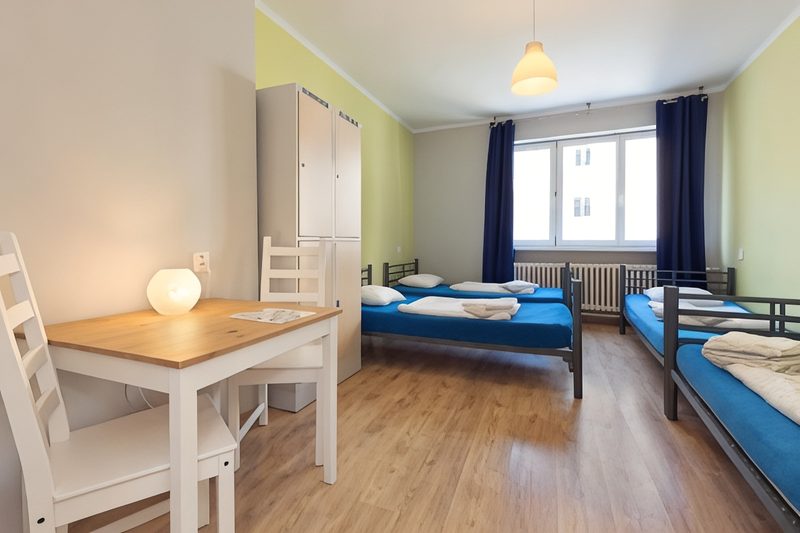
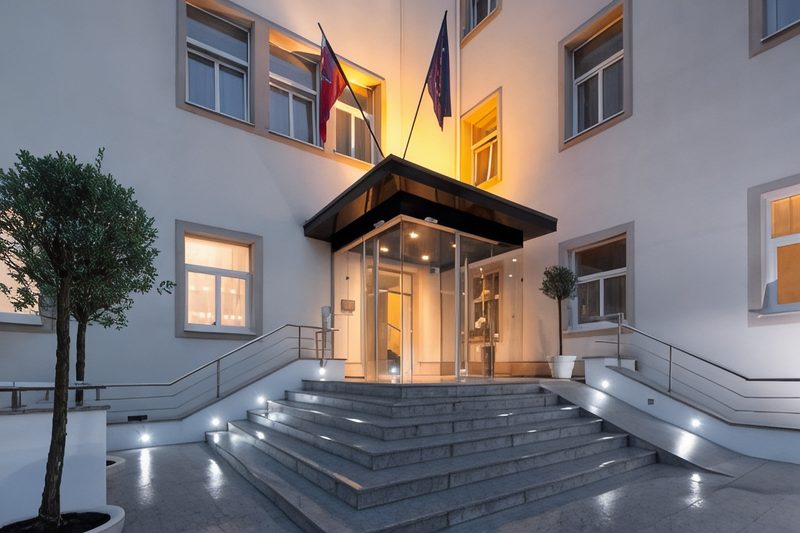
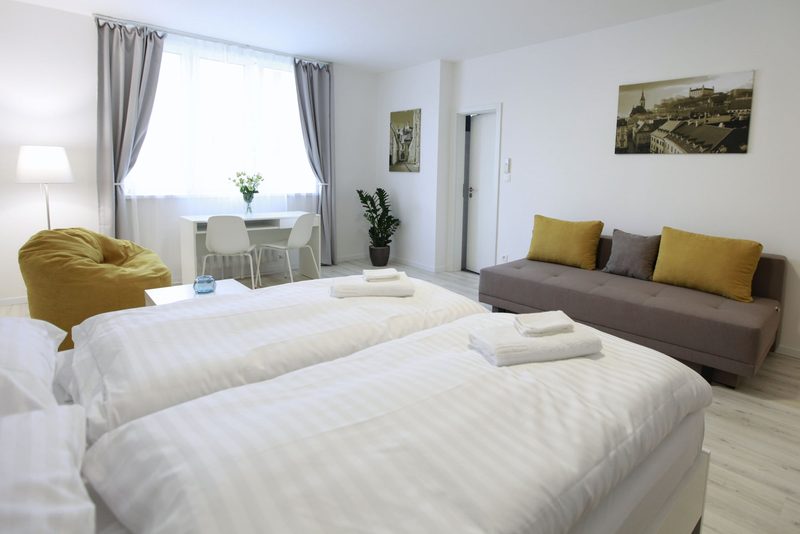
Hand-picked hotels across price tiers for January travellers.
Public Holidays in January
Dates that affect opening hours, transport and crowds
Deň vzniku Slovenskej republiky
Known in English as Day of the Establishment of the Slovak Republic. Observed nationwide as a public holiday.
Zjavenie Pána
Known in English as Epiphany. Observed nationwide as a public holiday.
Deň vzniku Slovenskej republiky
Known in English as Day of the Establishment of the Slovak Republic. Observed nationwide as a public holiday.
Zjavenie Pána
Known in English as Epiphany. Observed nationwide as a public holiday.
Packing Checklist
Bookmark this page — your progress is saved between visits
Need the full list with shopping links?
Climate-specific gear, brand recommendations, and what to leave at home.
View Bratislava Packing List →Essential Tips
Insider knowledge and common pitfalls to avoid
Insider Knowledge
The Slovak National Theatre, the neo-baroque main building on Hviezdoslavovo námestie, completed in 1886, is worth seeing as architecture regardless of what's on, runs its full opera and ballet season through January. The company is in mid-season form rather than winding down, and tickets tend to be available without the months-ahead booking required for the Prague National Theatre or Vienna State Opera. Check the program before you book flights: if the dates align with a major production, an evening at the Slovak National Theatre is a genuine experience.
Bratislava's evening rhythm runs considerably later than visitors from northern Europe or North America typically expect. The restaurants and bars on Obchodná Street and the surrounding network of streets often see kitchens open until midnight or beyond, and the local crowd rarely arrives before 9 or 10 PM. Turning up at 7 PM and finding the place empty is not a sign that anything is wrong, it's just early by local standards.
The Budapest connection is underused by most Bratislava visitors. At 200 km (124 miles) east, the Hungarian capital is a 2.5-hour bus or train journey, and January is an excellent month to make the trip: the famous thermal baths, Széchenyi, Gellért, are at their most appealing in cold weather, the ruin pubs of the Jewish Quarter run without summer queues, and the Great Market Hall on Fővám tér operates without the tourist increase. A Bratislava-Budapest day trip is ambitious. An overnight makes considerably more sense.
Bratislava's compact Old Town, roughly 1.5 km (0.9 miles) across, misleads visitors into thinking they've seen the city after a single morning's walk. The Petržalka district across the Danube, built largely during the communist era as one of the largest prefabricated housing developments in Central Europe, has a different architectural and social landscape. The Rača wine-producing neighborhood 7 km (4.3 miles) north still feels like a separate village. And Devin Castle 9 km (5.6 miles) west is a meaningful half-day. Budget three full days for Bratislava, not one.
Avoid These Mistakes
Underestimating the early darkness and failing to front-load outdoor sightseeing. Visitors who plan a late-afternoon walk up to Devin Castle or an evening hike through the castle ramparts find themselves on unlit, potentially icy paths in full darkness by 4:45 PM. The fix is simple: structure all outdoor visits between 10 AM and 3:30 PM, and treat the early evenings as wine cellar, restaurant, and theatre time.
Treating the Old Town as the entirety of Bratislava and concluding the city lacks depth. The medieval core is a starting point, not the complete picture. Rača's working vineyards sit within city limits; Devin's castle ruins and confluence views are 9 km (5.6 miles) west; the communist-era Petržalka housing blocks across the Danube represent a distinct chapter of the city's history worth understanding.
Ready to plan your trip to Bratislava?
Now that you've got the research covered, here's where to go next.
Book Experiences in Bratislava
Top-rated things to do in Bratislava this January


Explore More Activities in Bratislava
Didn't see anything interesting yet?
Browse Viator's full catalog of tours, day trips, food experiences, and private guides in Bratislava.
See All Bratislava Tours on Viator