Things to Do in Bratislava
Castle above the Danube, beer cheaper than water, Europe's best-kept secret
Top Things to Do in Bratislava
Find activities and tours you'll actually want to do. Book through our partners -- no booking fees.


Plan Your Trip
Essential guides for timing and budgeting
Climate Guide
Best times to visit based on weather and events
View guide →Day Trips
The best excursions and nearby destinations worth the journey
Explore day trips →Where to Stay
Best neighbourhoods, hotel picks, and booking tips
Find hotels →Travel Insurance
What's required, what coverage matters, and how to get a quote
Read guide →What to Pack
Climate-specific gear, essentials, and what to leave at home
See packing list →Before you go, read our Bratislava safety guide for neighbourhoods to know, emergency numbers and current official travel advice.
When Should You Visit Bratislava?
Tap a month for weather, crowds, and highlights
View full year-round climate guide →Explore Bratislava
Blue Church
Landmark
Bratislava Castle
Landmark
Bratislava City Gallery
Landmark
Danube River Promenade
Landmark

Danube Riverfront
Landmark

Devin Castle
City

Grassalkovich Palace
Landmark

Kamzik Tv Tower
Landmark
Main Square
Landmark
Michaels Gate
Landmark
Old Town
District
Primates Palace
Landmark
Slavin War Memorial
Landmark
Slovak National Theatre
Landmark

St Martins Cathedral
Landmark

Ufo Observation Deck
Landmark
Your Guide to Bratislava
About Bratislava
Bratislava murmurs, not shouts. From the castle keep, terracotta rooftops spill downhill until the Danube coils like liquid mercury beneath your boots. Morning begins with trams rattling across SNP Square and the scent of fresh rohlíky drifting from the bakery under Michael's Gate. Hand over 50 euro cents and you'll cradle a still-warm roll that makes every hotel buffet look lazy.
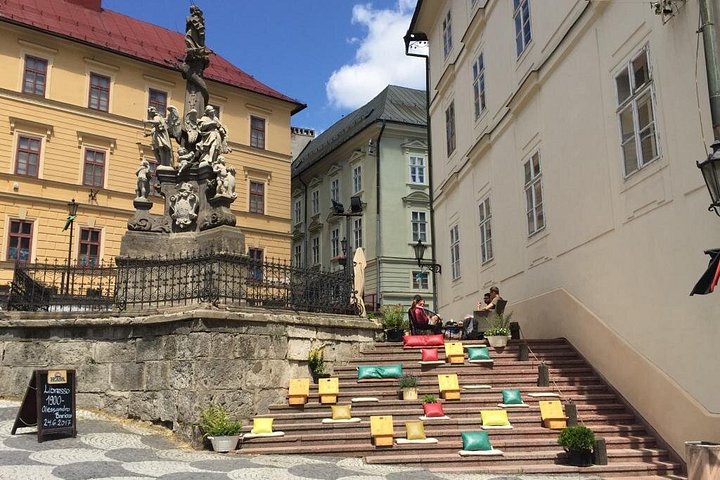
The Old Town's cobblestones, Kapitulská, Ventúrska, so narrow your fingertips brush both walls, remain mercifully free of tour-bus herds. Locals squeeze past you, grocery bags swinging, framed by Gothic spires and stubborn Soviet concrete. Drop to Obchodná Street, where 1960s paneláks shelter Vietnamese noodle joints beside Slovak pubs.
One euro twenty buys a half-liter of Zlatý Bažant, brewed flawless since 1697. The catch? Weekends can feel like a Vienna stag party on rails. Ten euros for the castle might smart after Prague's free panoramas. Yet when sunset flames copper from the UFO Bridge observation deck, €7.40, every cent justified, you'll watch river and ramparts ignite while Vienna locals hop the hour train for the night. Bratislava hands you Central Europe at half the price and twice the authenticity.
Travel Tips
Transportation: Grab a 24-hour transport pass for €4.50 at any yellow ticket machine. Trams, buses, and trolleybuses citywide are yours. Download Ubian for live arrivals. It beats Google Maps here. Ignore tourist taxis outside the station, they'll demand €15-20 for a €5 hop to the Old Town. Ride tram 1 to Poštová stop instead; Michael's Gate waits two minutes away. Planning Vienna? RegioJet bus costs €5 and drops you at Erdberg station in 50 minutes. That beats the train's €14.90 fare and 65-minute crawl.
Money: Slovakia runs on euros. Yet cards still get blank stares. The pub on Hviezdoslavovo Square? Cash only. ATMs spit €50 notes, but vendors crave smaller bills. Break them at the Tesco Express on SNP Square. Restaurant tabs already include 20% service; locals round up or leave coins. Exchange booths at the train station rob you blind, Československá obchodná banka on Štúrova posts the fairest rates. Budget €25-30 daily for food and transport. Craft beer crawls in the Old Town push the tab to €60-80.
Cultural Respect: Slovaks skip idle chatter with strangers. Your cheery "how are you" at the bus stop earns only puzzled looks. Say "dobrý deň" (DOH-bree dyen) when you enter shops, mandatory. Staff seat you; don't grab tables. Touch the castle cannons and the guards bark in Slovak, ask me how I know. Sunday mornings belong to hush; Old Town cafés open at 10 AM, locals still glide in silence. Leave 10% tips on the table, never pressed into a hand. Skip clinking beer glasses without eye contact, rude.
Food Safety: Street food is safe. Hit the klobása stands by the river, €3.50 buys a foot-long sausage with mustard. Old Town markets keep their fridges cold. Skip Monday fish, they've been waiting since the weekend catch. Tap water is excellent. Locals mock bottled brands. Test your courage with bryndzové halušky at Prašná Bašta, €6.80 of sheep cheese dumplings. Vegetarians head to Govinda on Obchodná, €4.50 lunch plates satisfy. At 3 AM, the 24-hour kebab on SNP Square won't poison you; I've field-tested it more nights than wise.
When to Visit
Bratislava rewards timing, or punishes it. May through September gifts 20-28°C days, good for castle walks and Danube beers on terraces. July peaks at 31°C with sudden afternoon storms that scrub humidity. Hotel prices leap 25% during European holidays. September is pure gold: 23°C, wine harvests in the Small Carpathians, and Old Town rooms drop 40% from summer highs.
October paints the embankment amber and brings Bratislava Jazz Days mid-month, though daylight shrinks to 11 hours. Winter turns grim. December hovers near 2°C with only 8 hours of light. Yet Christmas markets on Hviezdoslavovo Square pour honey wine and punch for €2.50. January and February can plunge to -7°C, wind knifing off the river.
Hotels slash rates 50% and you'll own the castle ramparts. March is a wildcard, 8-15°C, but the Bratislava Marathon packs the weekend streets. April climbs to 18°C and kicks off the Bratislava Food Festival early in the month. Flights from London fall 35% October through March. Vienna connections run year-round yet cost 20% more in summer.
Reserve Old Town hotels 2-3 months ahead for May-September. In shoulder seasons like April and October, walk in and haggle.
More Ways to Experience Bratislava
Tours, day trips, and local experiences curated by on-the-ground operators.
Didn't see anything interesting yet?
Browse Viator's full catalog of tours, day trips, food experiences, and private guides in Bratislava.
See All Bratislava Tours on Viator